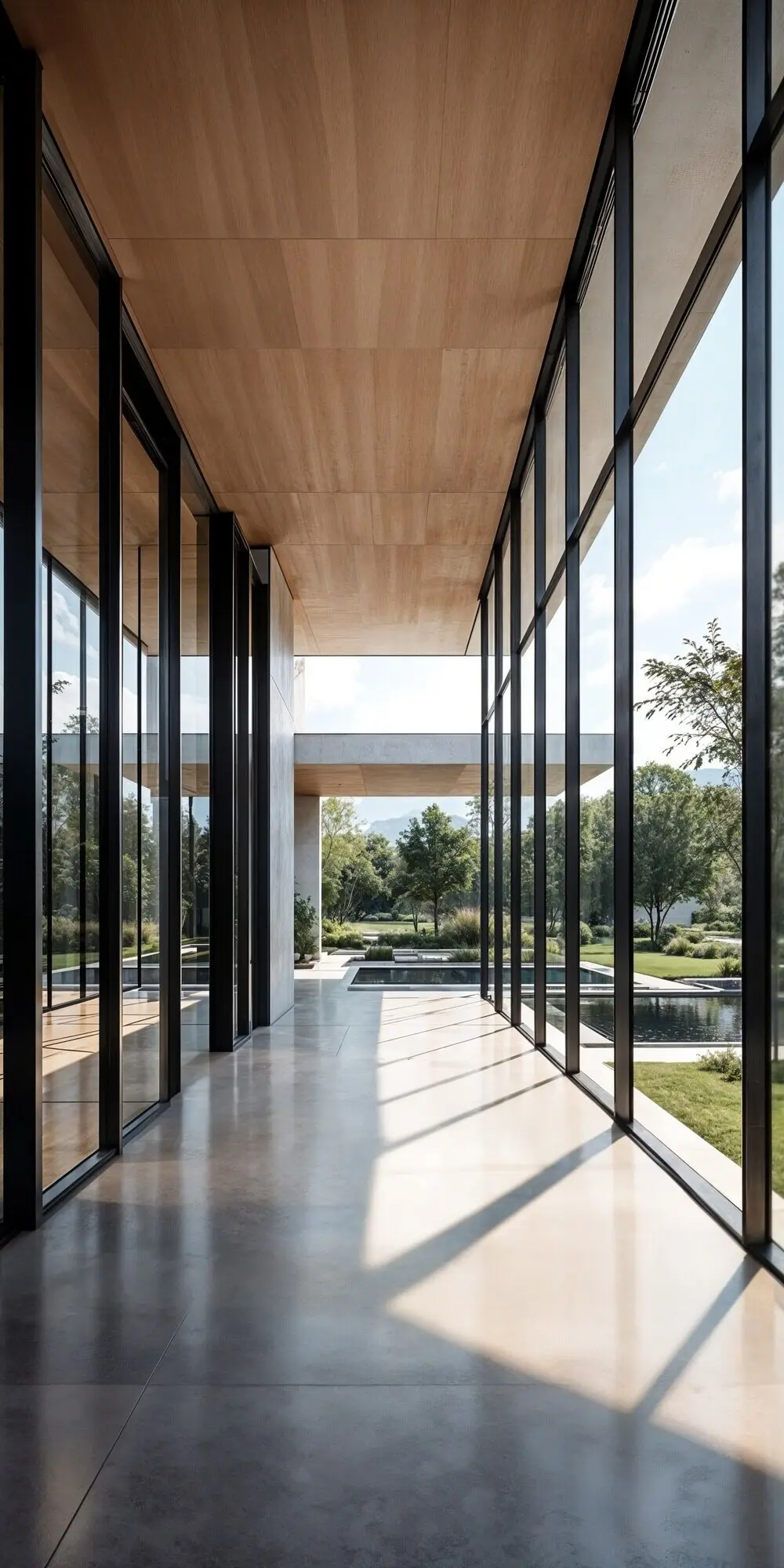
Comfort Without Compromise: Mastering Light in Sunlit Rooms

Step into a brighter, calmer home with practical insights into glare mitigation and shading strategies for sunlit rooms. We will turn dazzling, eye‑watering brightness into clear, comfortable daylight by blending materials, geometry, and habits, sharing field‑tested ideas, small experiments, and heartfelt stories that help you enjoy views without sacrificing comfort, productivity, or well‑being.

Why Glare Happens Indoors

Discomfort usually isn’t caused by daylight itself, but by extreme contrasts between bright windows and darker tasks. Understanding how the eye adapts, how surfaces reflect, and how sun angles shift through the day helps you transform harsh brilliance into balanced, usable light without shutting your rooms away from the outdoors.

Layered Shading That Works All Day

No single product handles every condition. Pairing exterior control with interior finesse and intelligent operation builds resilience against changing sun angles and clouds. A layered strategy protects view quality, limits heat, and flattens harsh contrasts, giving you a room that feels consistently comfortable rather than lurching between glare and gloom.

Choosing Fabrics, Films, and Glass Wisely

Materials decide how much brightness reaches the eye and how colors appear. Beyond style, consider openness, reflectance, color, and coatings. Selecting the right weave or film maintains the view you love while dulling piercing glare, reducing heat, and keeping tasks legible, all without turning the room into a cave.

Openness Factor and Weave Matters

A tighter weave—like one or three percent openness—cuts high‑angle brightness and sharp reflections more effectively. Looser weaves preserve airiness but allow more sparkle. Balance your priorities: detailed tasks near windows benefit from lower openness, while living areas may prefer five percent for a mellower view that remains connected to the outdoors.

Color, Reflectance, and Visual Comfort

Dark exterior‑facing fabrics reduce perceived glare and sharpen the view by controlling stray light. Light interior faces bounce daylight deeper, easing contrast on walls. This duality—dark toward the window, light toward the room—often yields comfort without heaviness. Choose colors that respect circadian cues and your interior palette, keeping faces flattering and tasks readable.

Coatings and Spectrally Selective Films

Modern films trim infrared heat while preserving visible transparency, easing temperature spikes without sacrificing daylight. Low‑reflectance coatings prevent mirror‑like nighttime reflections. Spectrally selective options protect art and finishes from fading while maintaining honest colors. When paired with thoughtful shading, these technologies deliver calm, bright spaces that feel welcoming across seasons and weather patterns.

Furniture, Screens, and Task Lighting

Layout choices can either amplify glare or neutralize it. Rotate desks, protect sightlines, and add gentle fill light so the eye adapts easily. Small moves—like shifting a reflective table or angling a monitor—create surprisingly large comfort gains that accumulate into a peaceful, focused atmosphere throughout long days.

Stories From Lived Spaces

Real spaces teach us what diagrams cannot. Homes with east kitchens, south studios, and grand heritage windows each wrestle with different brightness and heat. These short narratives highlight decisions that preserved cherished views while gentling light, proving that practical measures can feel invisible, elegant, and reassuring day after day.

Cleanliness and Performance Go Hand in Hand

Dust on blinds or grime on glass increases sparkle and muddles diffusion, making glare feel harsher. Gentle cleaning on a schedule restores optical performance. Inspect cords, springs, and automation batteries so devices respond instantly. A clear window plus well‑kept shading maintains comfort without heavier interventions, even as sun angles and weather change.

Seasonal Sun Paths Demand Seasonal Plans

Winter’s low sun slips beneath overhangs; summer’s high arc calls for different tactics. Save presets for solstices and equinoxes, rotate task lights a touch, and consider adding a lightweight exterior screen during peak months. These subtle recalibrations keep rooms stable, protecting routines and moods from abrupt swings in brightness and contrast.

Invite Feedback, Track Comfort, Share Discoveries

Ask family, colleagues, or guests when light feels best, then note times and shade positions. A simple chart reveals patterns quickly. Share before‑and‑after photos, subscribe for seasonal checklists, and send questions or experiences. Your observations help us shape new guidance that honors views, protects eyes, and celebrates the generous daylight you love.
Zovezoxokofu
Privacy Overview

This website uses cookies so that we can provide you with the best user experience possible. Cookie information is stored in your browser and performs functions such as recognising you when you return to our website and helping our team to understand which sections of the website you find most interesting and useful.