
Light That Reaches the Heart of the Plan
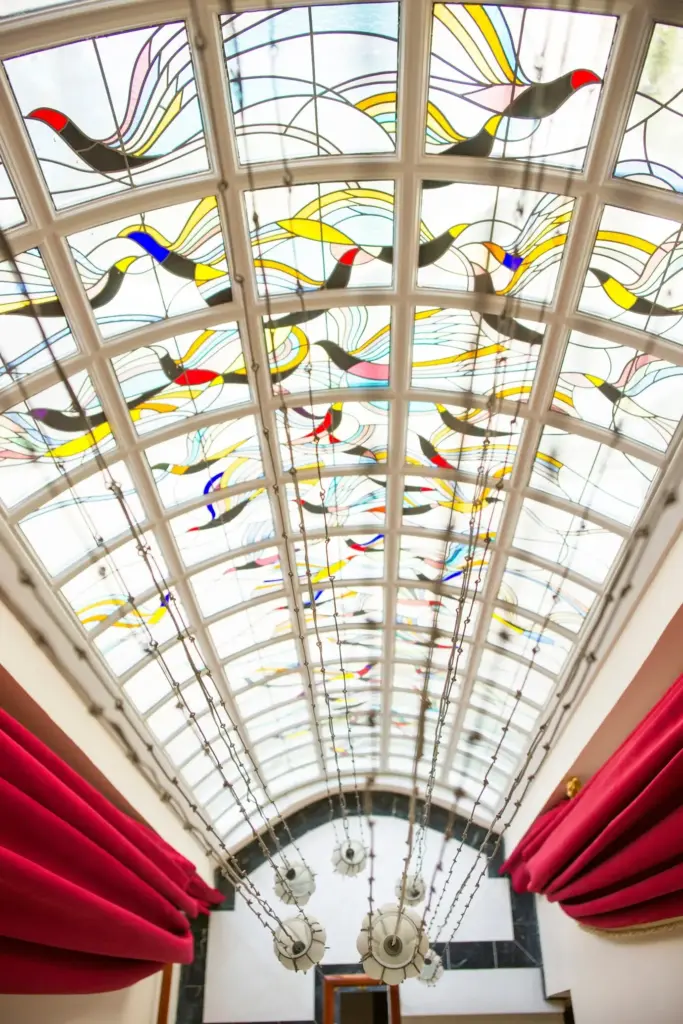
Today we explore integrating skylights, light shelves, and courtyards for deeper daylight penetration, translating physics into inviting spaces. From shaft geometry to ceiling reflectance and courtyard proportions, you will find practical strategies, field stories, and simulation tips that transform dark floor plates into naturally lit, energy-smart environments people love.

Why Deeper Daylight Matters

Deeper daylight reduces electric lighting loads, stabilizes circadian cues, and turns anonymous interiors into places people choose to stay. When daylight reaches the core, glare drops, color rendering improves, and movement across the day animates surfaces, helping teams focus, learn faster, and feel present. The combination of skylights, light shelves, and courtyards offers redundancy and control, supporting resilient buildings that save energy while also nurturing comfort, wellbeing, and memorable identity.

Health, Attention, and Emotional Comfort

Daylight rich interiors synchronise circadian rhythms, lowering fatigue and improving mood, while balanced vertical illuminance supports alertness without harsh contrast. By drawing light deep into the plan, you distribute brightness more evenly, reducing high-luminance hotspots that cause squinting and headaches. Occupants experience visual interest through subtle gradients, not glare, encouraging calmer breathing, better posture, and a steady sense of time passing naturally throughout the day.

Energy, Carbon, and Operational Resilience

Extending daylight reduces lighting hours and cooling peaks, particularly when skylights deliver diffuse light, light shelves redirect sun onto high-reflectance ceilings, and courtyards moderate microclimate. Lower lighting energy reduces heat gains, trimming air-conditioning loads and transformer sizes. In outages, the core remains usable, supporting safety and continuity. With careful controls, you achieve meaningful daylight autonomy while keeping annual solar exposure in check, protecting comfort and materials.

Experience, Value, and Cultural Identity

Spaces lit by sky feel honest and memorable. A courtyard rhythm, a bright ceiling plane carried by light shelves, and a quiet, diffuse skylight above a collaboration table become anchors for orientation and storytelling. Tenants pay attention to how a place makes work easier and gatherings more joyful. Daylight that reaches deep zones elevates brand presence, improves wayfinding, and signals lasting quality more credibly than decorative fixtures alone.

Designing Skylights That Drive Light Further

Thoughtful skylights are more than openings; they are calibrated optical instruments. Diffusing lenses, insulated frames, and well geometry control candela distribution and thermal performance. Narrow, tall wells can project light deeply when their surfaces are bright and matte, while baffles or prismatic layers mitigate direct beam penetration. Orienting roof apertures to sky vault luminance and shaping wells with high reflectance finishes extend daylight without sacrificing comfort or weather protection.

Sizing, Angles, and Seasonal Performance

Start with local solar altitude at equinox and solstice to fix shelf elevation and projection. Exterior portions shade the lower vision zone while catching higher rays, and interior portions redirect light onto the ceiling. Slight upward tilts help throw light deeper but avoid angles that cause self-shadowing. Model sensitivity across seasons, comparing useful daylight illuminance and glare indices, then refine shelf edges to maintain views while maximizing ceiling luminance.

Ceiling Continuity and Reflectance Strategy
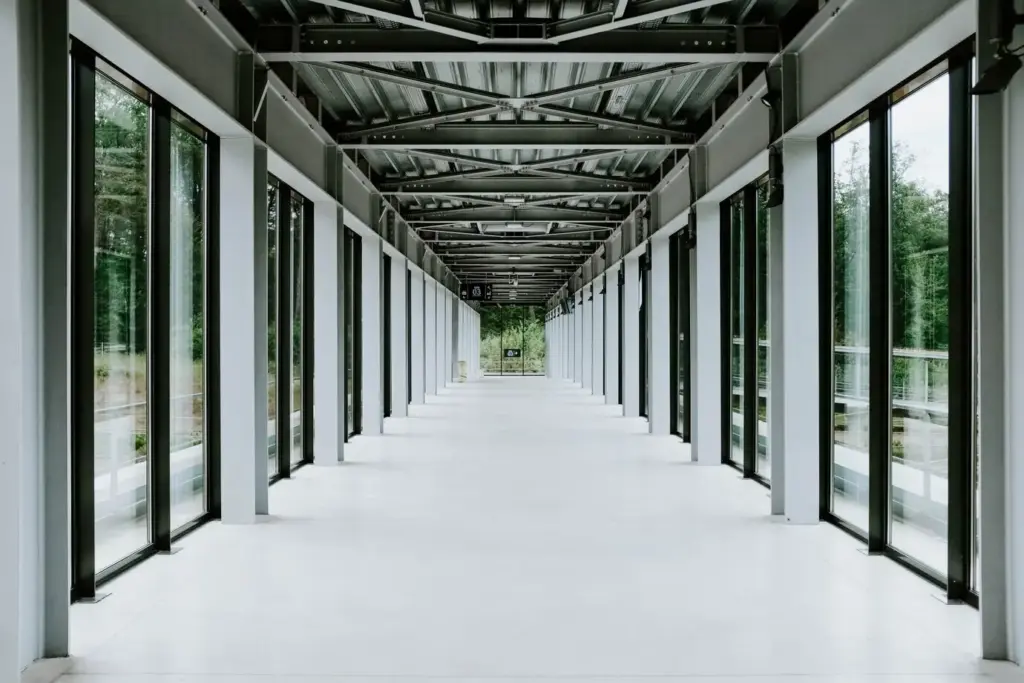
A light shelf without a bright ceiling is a missed opportunity. Target ceiling reflectance around 0.80 with low-specular paints that diffuse light uniformly. Maintain continuity over beams and services so redirected light travels unbroken. Curve or chamfer transitions near the shelf to reduce dark scallops. Coordinate sprinklers, diffusers, and acoustic treatments so they complement the luminous ceiling, allowing the reflected light to glide across the room with gentle, reassuring brightness.

Retrofit Tactics and Occupant Acceptance

In existing buildings, modular shelves can clip to mullions, with interior portions tuned to workstation layouts. Provide simple cleaning access and rounded leading edges to avoid dust buildup. Share before-and-after glare photos with occupants to build trust, and run trials at representative bays before scaling. Link blinds to shelf zones, not entire facades, so people keep shades open longer, preserving the deep daylight you worked to unlock.

Courtyards as Vertical Light Engines

A well-proportioned courtyard delivers sky luminance to interior walls and floors, acting like a vertical light well that breathes. Aspect ratio, surface reflectance, and planting choices govern both brightness and microclimate. Pale, matte walls amplify daylight, while deciduous trees temper summer sun and welcome winter warmth. Water features can cool air that drifts inside. With careful acoustic detailing, a courtyard becomes a calm, luminous heart that anchors circulation and collaboration.

Synergy Across Skylights, Light Shelves, and Courtyards

The greatest gains appear when these elements collaborate. Skylights bring diffuse zenith light, light shelves launch it across ceilings, and courtyards deliver vertical luminance to deeper walls. Together they reduce contrast ratios, improve daylight autonomy, and tame annual solar exposure. Controls bind the system: task-tuned dimming preserves just-enough electric light, and shading acts surgically. Layered daylight becomes legible, flexible, and generous, unlocking comfortable brightness where dense programs once felt tunnel-like.

Simulation Workflow and Iterative Decisions

Begin with massing and courtyard ratios, then sketch skylight fields and shelf families. Use climate-based metrics—spatial daylight autonomy, annual sunlight exposure, and useful daylight illuminance—to compare options. Validate glare with luminance-based images and daylight glare probability. Iterate finishes and shelf angles until you balance uniformity with sparkle. Document assumptions clearly so contractors, controls integrators, and maintenance teams protect the design intent through construction and the building’s first operating year.

Glare Management and Visual Comfort

Comfort depends on luminance balance, not just lux. Cap high-luminance sources within critical view cones, use diffusing optics for skylights above screens, and keep ceiling brightness continuous. Calibrate blinds to respond to vertical eye-level sensors, not just rooftop irradiance. Provide small, personal adjustments at desks so occupants can fine-tune without defeating the overall strategy. Favor soft transitions, avoiding specular hotspots that betray otherwise careful daylight distribution and undermine trust.

Climate Response, Codes, and Practical Constraints

From Concept to Living Building: Stories and Feedback

Real projects teach nuance. A school expanded a central court, added diffusing ridge skylights, and introduced light shelves across south classrooms. Electric lighting energy dropped, afternoon headaches faded, and students began choosing core tables. Post-occupancy surveys confirmed calmer glare conditions and higher satisfaction. When people feel light working with them, not against them, buildings become trusted allies, nurturing learning, focus, and quiet joy every day.
Zovezoxokofu
Privacy Overview

This website uses cookies so that we can provide you with the best user experience possible. Cookie information is stored in your browser and performs functions such as recognising you when you return to our website and helping our team to understand which sections of the website you find most interesting and useful.