
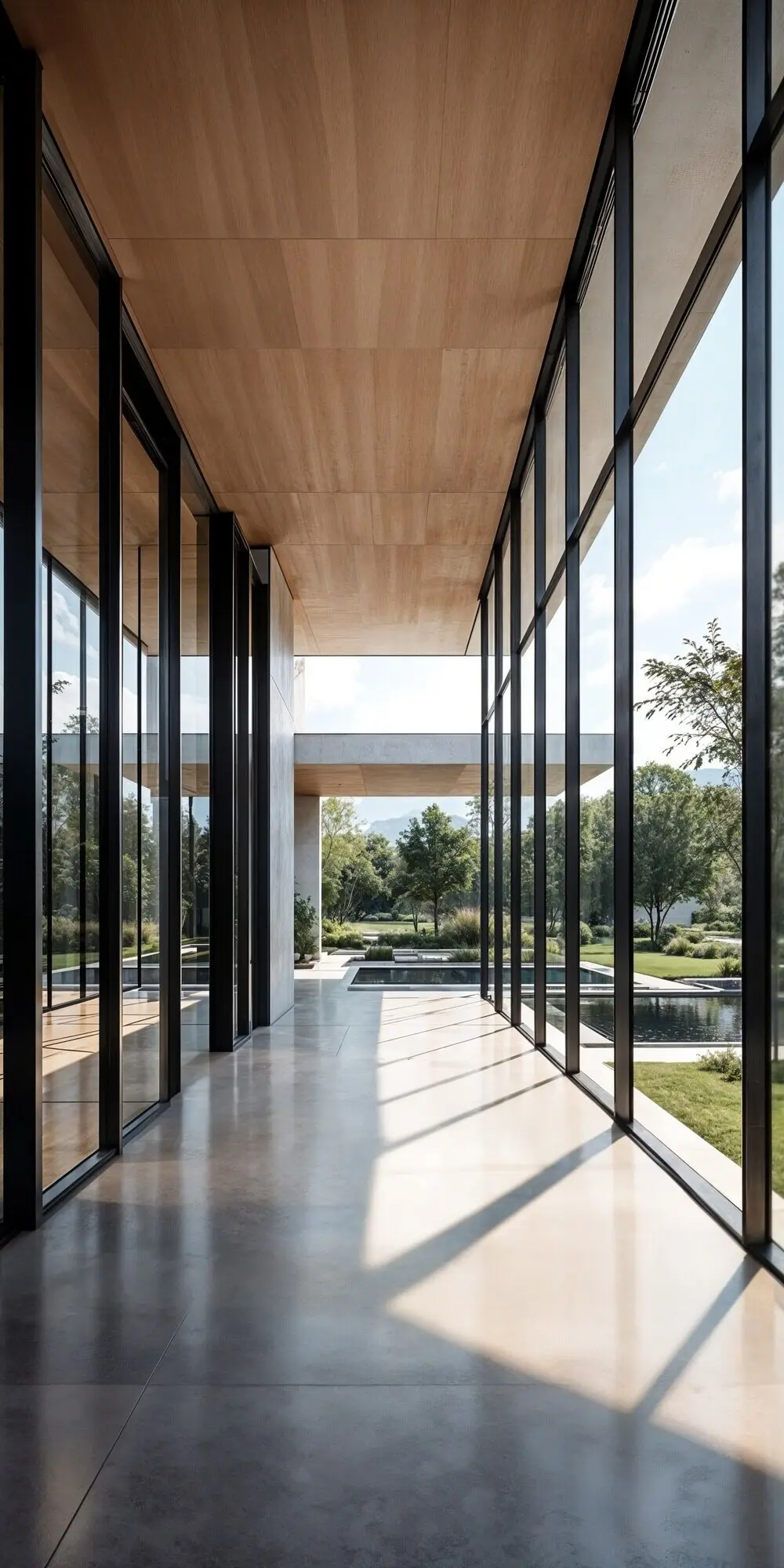


Let the Sun Lead: Healthier Rhythms, Sharper Work

Today we dive into circadian health and the productivity benefits of daylit workspaces, showing how daylight entrains your internal clock, boosts alertness, improves sleep quality, and lifts performance. Expect practical design tactics, relatable stories, and science-backed insights you can apply this week, plus simple ways to measure results and rally your team around brighter, healthier, higher-performing workdays.

Why Natural Light Aligns Your Internal Clock

Your body keeps time with a finely tuned 24-hour rhythm influenced by light. Morning daylight suppresses melatonin, raises cortisol appropriately, and cues alertness so tasks feel easier and decisions feel clearer. When workspaces intentionally deliver daylight to eyes, sleep improves at night and cognitive energy rebounds in the morning, creating a virtuous cycle of better focus, steadier moods, and fewer midafternoon crashes throughout demanding workweeks.

Measured Gains at the Desk

Organizations tracking the effects of daylight report faster reaction times, fewer errors, and improved satisfaction scores. Employees near windows often fall asleep sooner and wake with less grogginess, leading to livelier mornings and steadier throughput. Metrics like task completion rates, subjective alertness, and sleep quality indices reveal the compounding benefits. Better nights produce better days, and better days nurture stronger teamwork, calmer decision-making, and a resilient, high-trust operational culture.

Design Moves for Sunlit Comfort

Comfortable daylight is crafted, not accidental. Orientation, glazing, light shelves, reflective ceilings, and well-placed interior surfaces draw sunlight deep into floorplates without harsh glare. Pair that with operable shading and calibrated task lighting to maintain visual comfort all day. Add plant textures and balanced color palettes to reduce eye strain. Thoughtful details welcome brightness while protecting focus, enabling teams to enjoy energizing light without compromising screens, meetings, or concentrated analysis.

Electric Light That Supports the Sun

When overcast days arrive or sunsets creep earlier, supportive electric lighting sustains circadian-friendly cues without overwhelming space. Layer ambient, task, and focal lighting, using spectra and intensities that harmonize with daylight. Prioritize higher melanopic content in the morning and gentler, warmer light later. Smart controls, daylight sensors, and zones help maintain continuity so occupants stay comfortable, productive, and well-regulated, even as weather, seasons, and schedules inevitably shift.

Layered lighting with circadian intent

Combine a calm ambient base with tunable task layers that lift melanopic stimulation earlier in the day and gradually soften by late afternoon. This approach avoids the flatness of uniform brightness, preserving visual interest while supporting biological timing. Employees perceive a naturally dynamic environment that energizes when they arrive and unwinds toward close. The subtle choreography maintains comfort and helps prevent that wired-and-tired feeling long after laptops are finally shut.
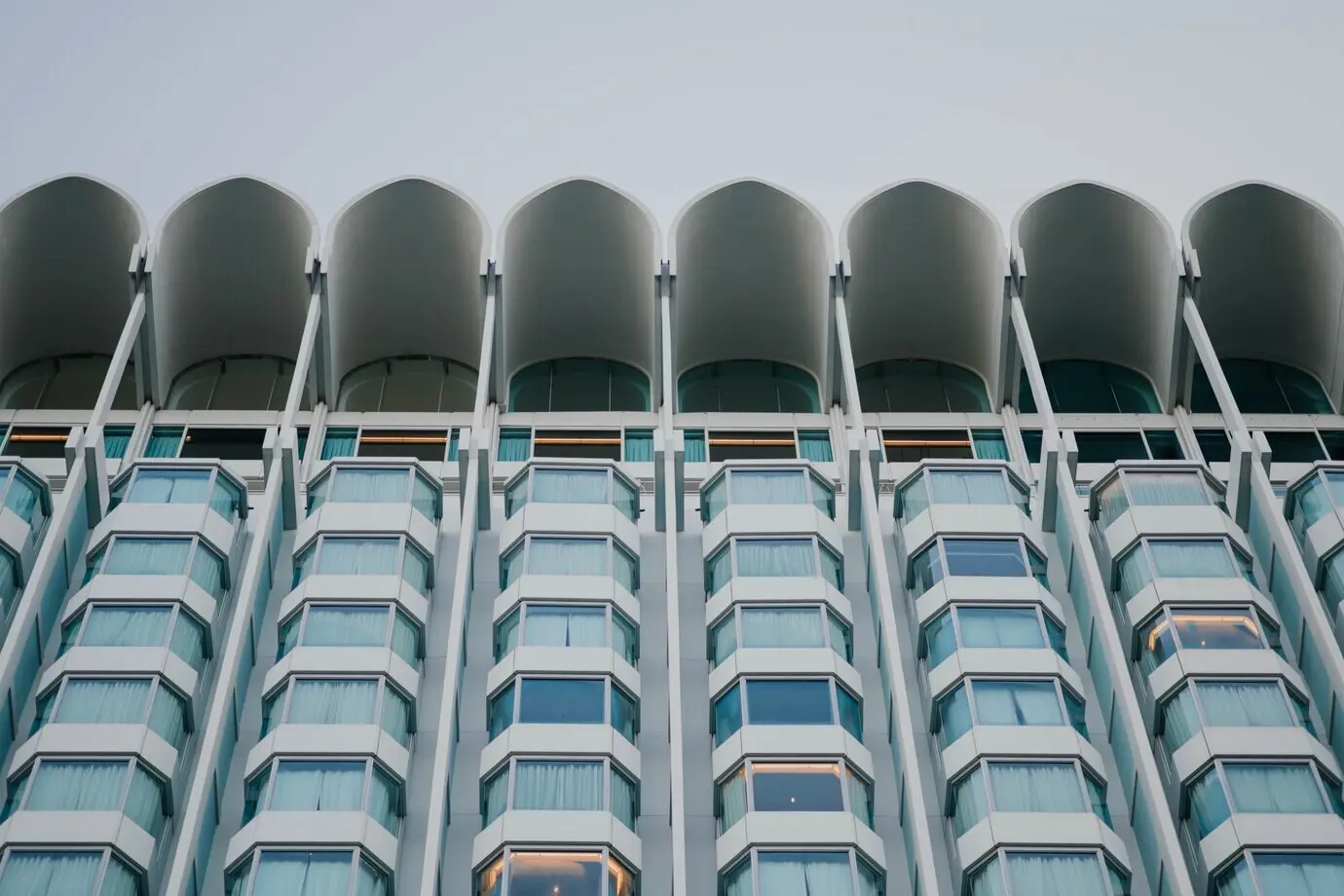
Controls that collaborate with daylight

Daylight harvesting sensors dim luminaires near windows, reducing energy while maintaining comfortable brightness gradients. Time-based scenes and personal overrides balance consistency with choice, ensuring focus for heads-down work and gentler tones for reflective tasks. Importantly, controls should be easy to understand, labeled, and forgiving. When people can quickly adjust light without friction, adoption climbs, complaints drop, and the whole system reliably supports both productivity and well-being throughout changing conditions.

Evenings that protect melatonin and rest

Late in the day, shift electric light warmer and dimmer to respect melatonin’s rise. This matters for teams working flexible hours or finishing proposals after sundown. Offer focus boosts via task lights rather than flooding entire zones. Encourage screen settings that reduce blue-enriched output. By making evenings visually cozy yet functional, you support consistent sleep timing, which feeds back into clearer mornings and a calmer, more resilient cadence the next day.
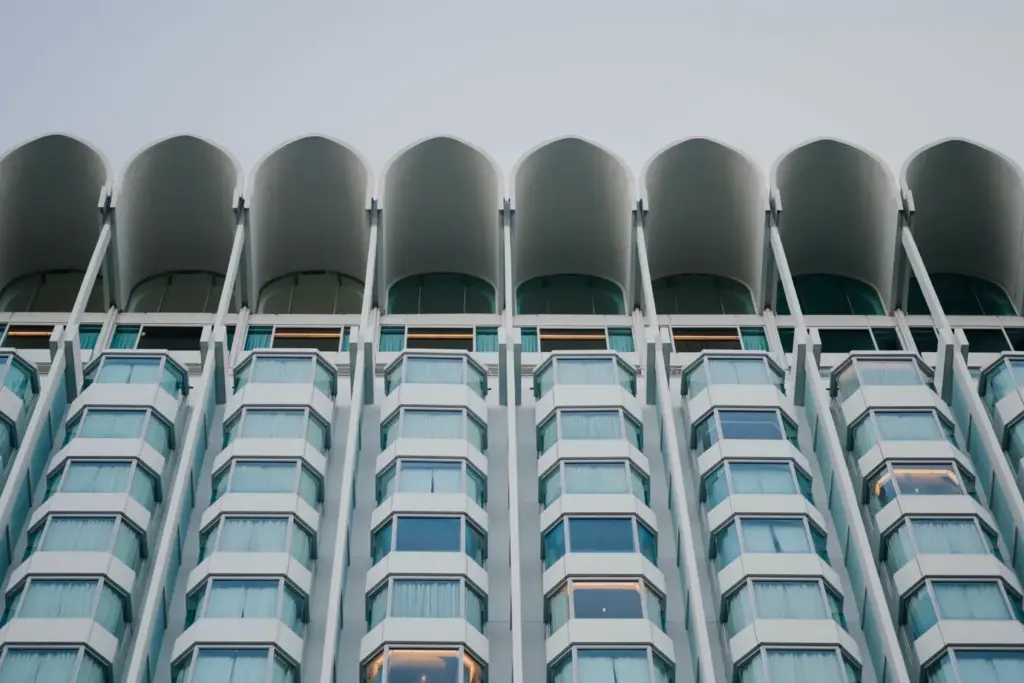

A software squad by a south-facing facade

After shifting a scrum area within three meters of bright glazing, developers reported faster onboarding sessions and fewer afternoon stalls. Weekly retros highlighted clearer thinking during code reviews and more constructive debate when refactoring tough modules. Sleep diaries suggested earlier bedtimes and fewer wake-ups. The team didn’t change sprint length or staffing, yet velocity rose modestly and stayed there, reinforcing confidence that environmental tweaks can unlock meaningful, repeatable performance improvements.

A call center with light shelves and skylights

Introducing light shelves and two modest skylights reduced glare while lifting perceived brightness across a once-dim floor. Supervisors observed smoother handling times and a friendlier tone during long queues. Agents felt less eye fatigue and were more willing to swap shifts. Sick days trended downward over the next quarter. A small capital outlay recaptured itself through steadier staffing, happier customers, and an overall sense that the room finally worked with people, not against them.

A hospital admin team escaping interior gloom

Administrative staff relocated from a deep, windowless bay to a shared area near clerestories. Within weeks, midmorning productivity rebounded and complaints about headaches declined. The team created a brief sunrise huddle near the brightest spot, building camaraderie and a hopeful tone before challenging schedules unfolded. Leaders noticed fewer documentation errors and faster coordination across departments. The change validated that even busy healthcare settings can dignify desk work with thoughtfully delivered daylight.

Overcoming Constraints and Persistent Myths

Many organizations assume daylight is unattainable due to leases, deep floorplates, cloudy climates, or glare fears. Yet incremental improvements—from reflective ceilings and corridor glazing to movable focus stations—add up. Glare is manageable, and winter gloom can be offset thoughtfully. By measuring what matters and piloting pragmatic steps, teams sidestep perfectionism, create quick wins, and build a genuine case for bigger moves when budgets, leases, and leadership attention align at the right moment.

Make It Happen: Policy, ROI, and Culture

Momentum grows when daylight becomes part of policy, measurement, and storytelling. Start with a pilot zone, track sleep quality and alertness surveys, and correlate with throughput or error rates. Build a simple ROI case: fewer sick days, steadier performance, and lower energy use. Invite feedback, share before-and-after photos, and celebrate wins. Encourage readers to subscribe, comment with their experiences, and join a community committed to healthier, brighter, more productive work.
Zovezoxokofu
Privacy Overview

This website uses cookies so that we can provide you with the best user experience possible. Cookie information is stored in your browser and performs functions such as recognising you when you return to our website and helping our team to understand which sections of the website you find most interesting and useful.