

Layered lighting with circadian intent
Combine a calm ambient base with tunable task layers that lift melanopic stimulation earlier in the day and gradually soften by late afternoon. This approach avoids the flatness of uniform brightness, preserving visual interest while supporting biological timing. Employees perceive a naturally dynamic environment that energizes when they arrive and unwinds toward close. The subtle choreography maintains comfort and helps prevent that wired-and-tired feeling long after laptops are finally shut.
Controls that collaborate with daylight
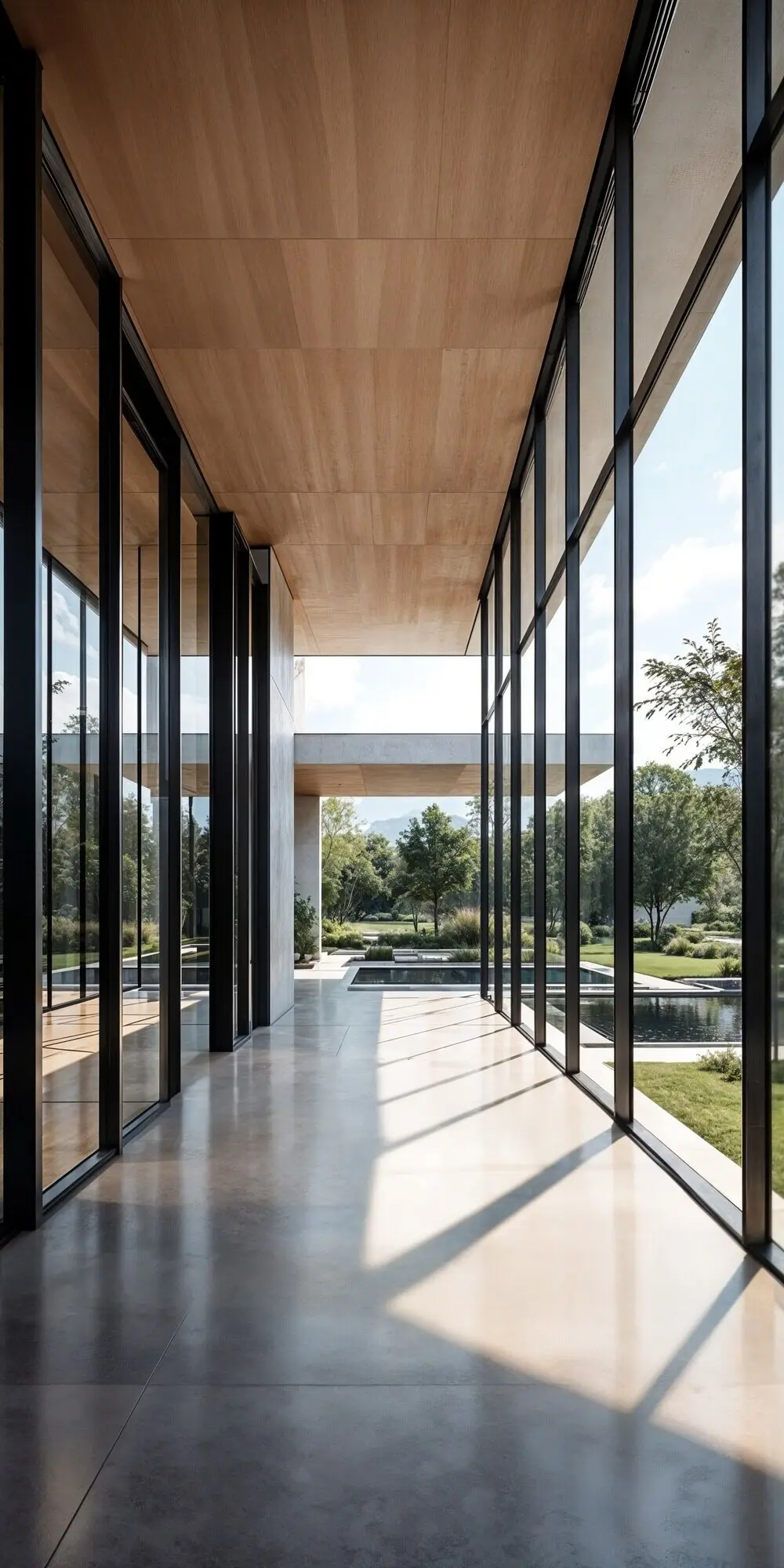
Daylight harvesting sensors dim luminaires near windows, reducing energy while maintaining comfortable brightness gradients. Time-based scenes and personal overrides balance consistency with choice, ensuring focus for heads-down work and gentler tones for reflective tasks. Importantly, controls should be easy to understand, labeled, and forgiving. When people can quickly adjust light without friction, adoption climbs, complaints drop, and the whole system reliably supports both productivity and well-being throughout changing conditions.

Evenings that protect melatonin and rest
Late in the day, shift electric light warmer and dimmer to respect melatonin’s rise. This matters for teams working flexible hours or finishing proposals after sundown. Offer focus boosts via task lights rather than flooding entire zones. Encourage screen settings that reduce blue-enriched output. By making evenings visually cozy yet functional, you support consistent sleep timing, which feeds back into clearer mornings and a calmer, more resilient cadence the next day.