
Brighter Rooms, Lower Bills: Retrofitting Existing Homes for Passive Daylighting and Energy Savings

Step into a home that feels open, calm, and efficient. We explore retrofitting existing homes for passive daylighting and energy savings, turning proven building science into inviting spaces and smaller utility bills. Expect clear steps, practical tools, and inspiring examples you can adopt without sacrificing comfort, heritage details, or your personal style.

Understanding Sunlight, Space, and the Science of Comfort

Before changing anything, it helps to know how daylight behaves as it moves through windows, across walls, and over your daily routines. Sun path, sky conditions, glazing properties, and interior reflectance determine brightness, glare, and heat. Grasp these fundamentals, and every decision—paint color, blind choice, or window upgrade—becomes simpler, more confident, and measurably effective.

Path of the Sun and Local Climate

The sun’s angle shifts seasonally and daily, creating opportunities for winter warmth and summer shade. Understanding your latitude, typical cloud cover, and prevailing winds clarifies when to welcome light and when to temper it. A quick compass check, basic sun charts, and awareness of morning versus afternoon exposures guide better placement of reflective surfaces and shading devices.

Glass Matters: VT, SHGC, and U-factor

Not all windows deliver the same light or comfort. Visible transmittance (VT) affects brightness, solar heat gain coefficient (SHGC) influences heat from sunlight, and U-factor governs heat loss. Pairing high VT with appropriate SHGC for your climate boosts daylight while controlling overheating. Low-e coatings can preserve clarity, reduce glare, and keep rooms warm without dimming natural light.

Bounce and Brightness: Reflectance Indoors

Light rarely travels in straight lines indoors; it bounces. Pale matte ceilings, softly reflective walls, and light-toned floors spread illumination more evenly while softening contrasts that cause eye strain. Thoughtfully placed mirrors extend daylight deeper into rooms. Even small changes—satin finishes, lighter rugs, or bright stair risers—can transform a gloomy corridor into a welcoming, naturally lit passage.

Assessing Your Home Like a Pro Without the Jargon

A successful retrofit begins with a calm, curious audit. You do not need expensive equipment to notice where light enters, where glare spikes, and where shadows linger. By mapping windows, measuring rough brightness, and spotting obstructions, you’ll discover elegant, low-cost improvements. Document today’s conditions, so you can celebrate progress and prioritize the fixes that matter most.

Quick, Low-Cost Upgrades That Change Everything

Color and Finish Tweaks

Choose lighter, warm-neutral wall paints with a subtle sheen to spread light while avoiding glare. Bright ceilings elevate perceived height and bounce light deeper. Replace heavy rugs with lighter tones, and consider pale backsplashes near windows. These simple finish changes often deliver immediate brightness, improved focus for reading or cooking, and a calmer ambiance without touching a single window.

Smarter Shades and Films

Switch to dual-layer shades that diffuse daylight while preserving views, and add top-down options to brighten rooms without sacrificing privacy. Consider spectrally selective films that admit visible light yet reduce solar heat. The result is softer illumination, fewer afternoon overheating spikes, and reduced need for cooling. These interventions typically install quickly and offer noticeable comfort improvements within days.

Mirrors, Light Shelves, and Borrowed Light

A well-placed mirror can push daylight around corners. Small interior light shelves redirect sun to the ceiling, brightening deeper zones while controlling glare near windows. Borrowed-light techniques—interior transoms, clerestory cutouts, and glazed partitions—let bright spaces share illumination with darker rooms. Combined, these elements create balanced light layers that feel natural, deliberate, and beautifully functional throughout the day.

Architectural Moves for Lasting Performance
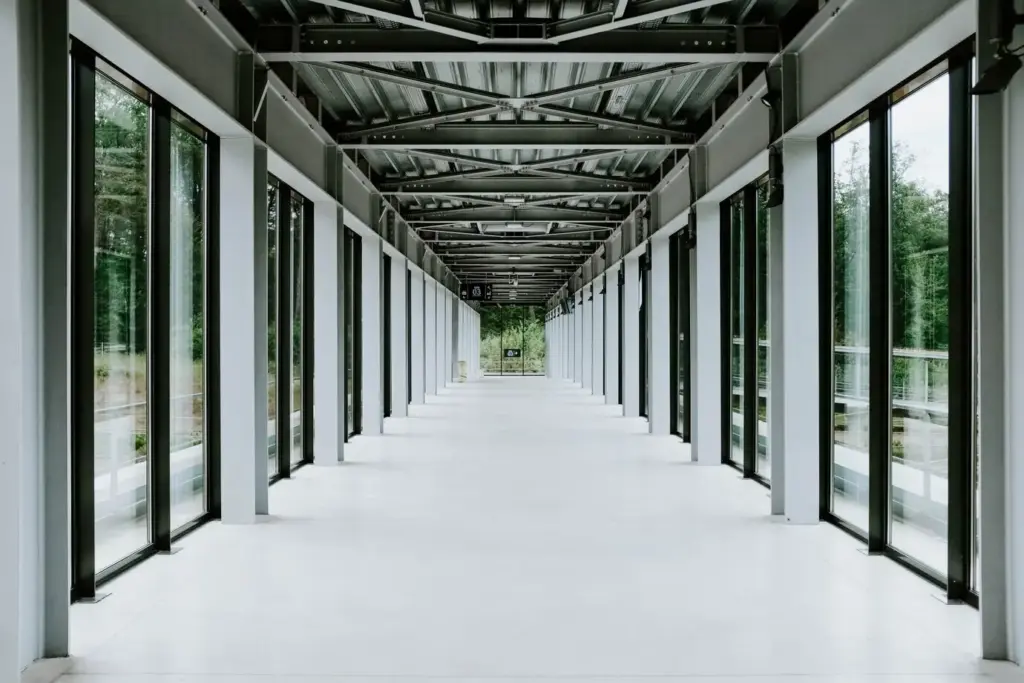
When you are ready for bigger changes, consider strategic window upgrades, new openings, and daylighting devices that work with your climate. Prioritize solutions that admit abundant light while managing heat, glare, and privacy. Done well, these choices elevate comfort, resilience, and resale value, turning your home into a quietly efficient, uplifting place to live and work.

Control, Comfort, and the Dance Between Light and Heat

Daylight and electric light should cooperate rather than compete. Pair better windows and finishes with responsive controls to keep brightness stable and bills low. Manage glare without killing views, and embrace seasonal tactics that welcome winter sun while blocking summer heat. Thoughtful controls ensure comfort, ongoing savings, and spaces that remain consistently enjoyable throughout the year.

Real-World Results, Costs, and Payback You Can Trust

Numbers and stories help decisions feel real. Expect quick wins from finishes and shading, mid-range investments for films and solar tubes, and larger budgets for window replacements or clerestories. Savings often include reduced lighting, lower cooling loads, and improved winter warmth. The best returns also show up as calmer rooms, clearer views, and delightfully bright mornings.

Join the Conversation and Share Your Light

Your experiences help others learn faster. Try a simple daylight tune-up this weekend, post before-and-after photos, and share what surprised you. Ask questions about glazing choices, shade fabrics, or solar tubes. Subscribe for fresh ideas, seasonal checklists, and new case stories. Together, we can brighten homes, cut energy waste, and make everyday spaces feel wonderfully alive.

Weekend Daylight Tune-Up Challenge

Pick one room and test three low-cost changes: raise shades from the top, reposition a mirror, and place a light-toned rug. Compare photos and lux readings morning and afternoon. Share results, reflect on comfort changes, and inspire neighbors. Small wins build momentum, helping you prioritize the next step with confidence and a sense of friendly community support.

Photo and Floor-Plan Sharing Tips

Use the same camera settings and angles for before-and-after shots. Include a simple sketch showing window locations, ceiling heights, and reflective surfaces. Mark times and weather conditions to make comparisons meaningful. Honest documentation turns your project into a helpful guide, encouraging others to try, adapt, and report back with their own creative, practical daylight breakthroughs.
Zovezoxokofu
Privacy Overview

This website uses cookies so that we can provide you with the best user experience possible. Cookie information is stored in your browser and performs functions such as recognising you when you return to our website and helping our team to understand which sections of the website you find most interesting and useful.